
SWEDISH QUALITY CANDLES SINCE 1839
At that time, Sweden was in union with Norway, Karl XIV Johan was the King of Sweden, industrialization in Sweden had just started, we did not yet have a public school and there were still many years to go before electric light would begin to spread across the country.
The history of Liljeholmens is the story of how the candle came to Sweden, how it developed into an important source of light, and then on to create an atmosphere both in everyday life and at parties!
LILJEHOLMENS STEARINFABRIK - MORE THAN 185 YEARS OF SWEDISH COMPANY HISTORY

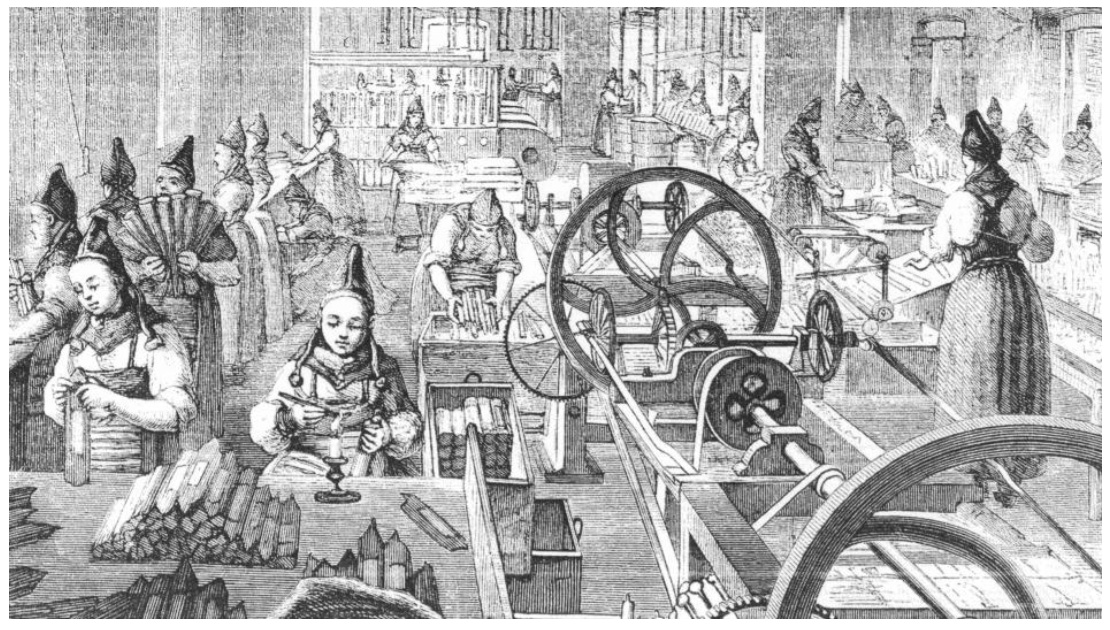
THE WORKROOMS ARE FILLED WITH PEOPLE IN PARISH COSTUMES
THE STOCKHOLM EXHIBITION OF 1897
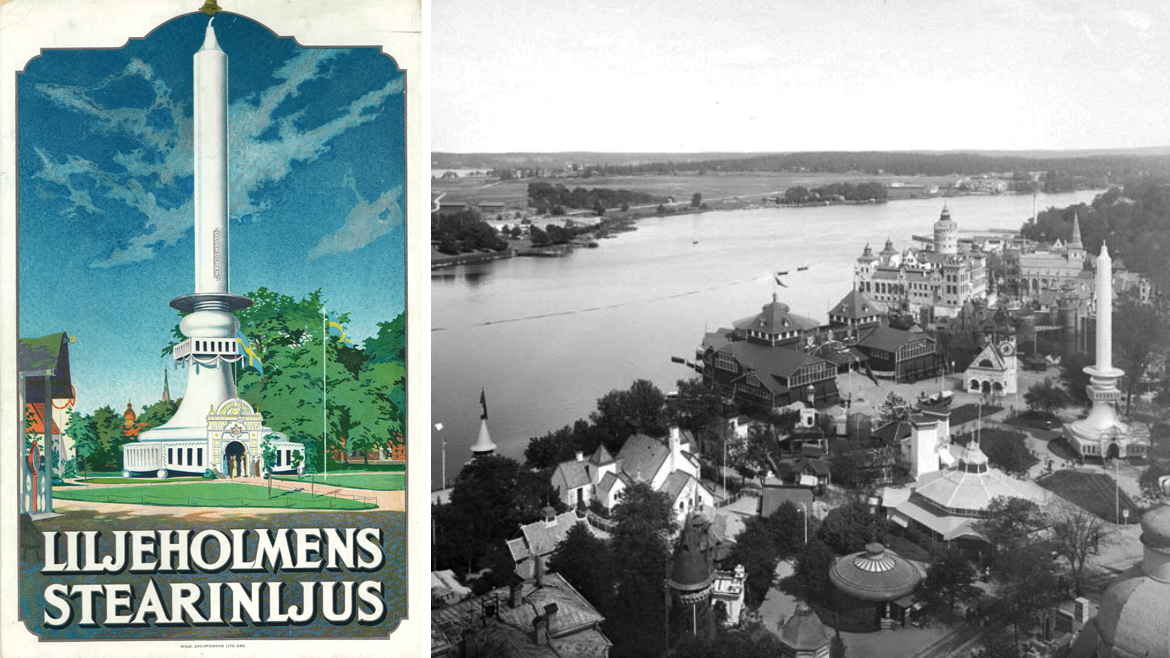
Liljeholmens attracted much attention and received many awards for its good quality and production, including at the first World Exhibition in London in 1851. For the Stockholm Exhibition in 1897, Liljeholmens decided to invest heavily. The company participated with a 23-meter-high Kronljus candle with a diameter of two and a half meters. The candle was placed in a 14-meter-high brick candle holder with a circumference of 11 meters. The spectacular candle naturally attracted a lot of attention. Inside the candle holder, were sales and an exhibitions with a miniature model of the entire factory. Liljeholmens's staff also had the opportunity to visit the exhibition. The company allocated one Swedish krona per employee for admission, enough for four tickets, and a further two kronor per employee for refreshments on the premises.
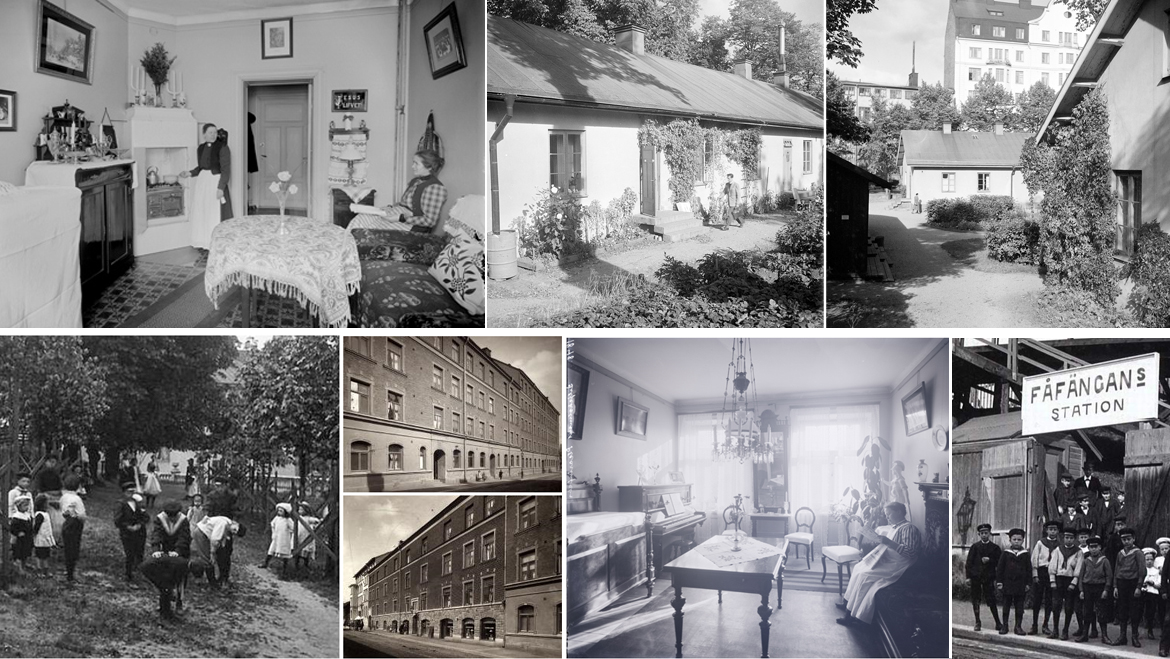
KINDERGARTENS AND PLAYGROUNDS FOR WORKERS' CHILDREN
PRODUCTION AND STAFF AROUND 1900
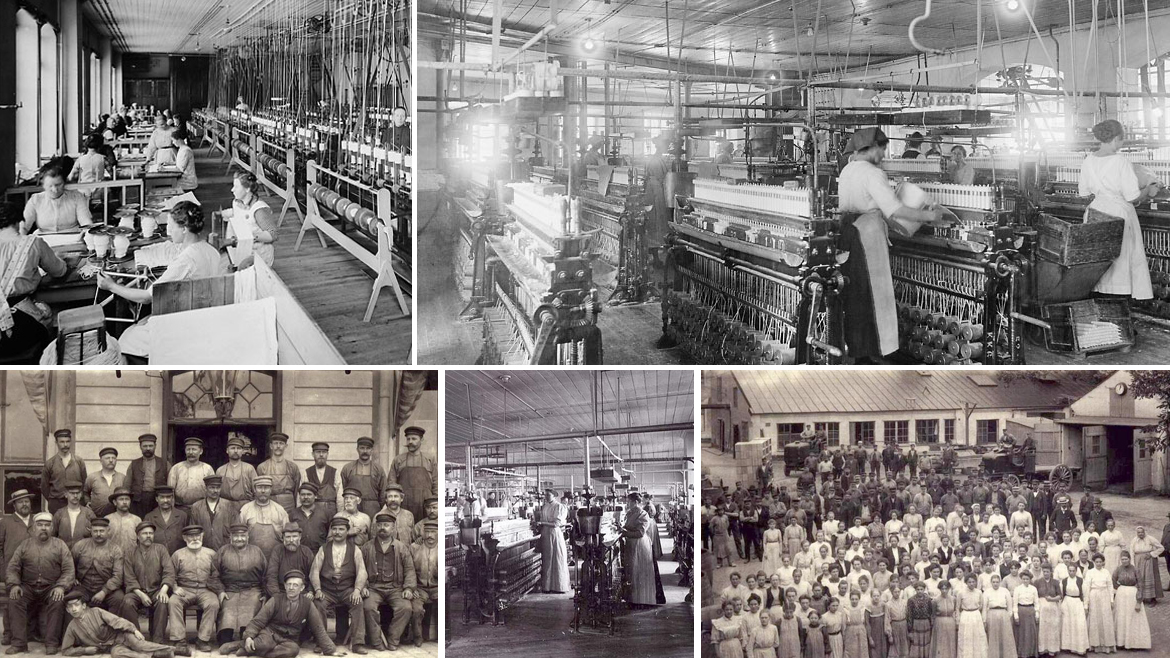
The pictures show the production of candles in the factory on Danvikstull in the early 1900s and of the female staff on the left and the male staff on the right.
GAS AND ELECTRICITY IN EVERYBODY'S HOME
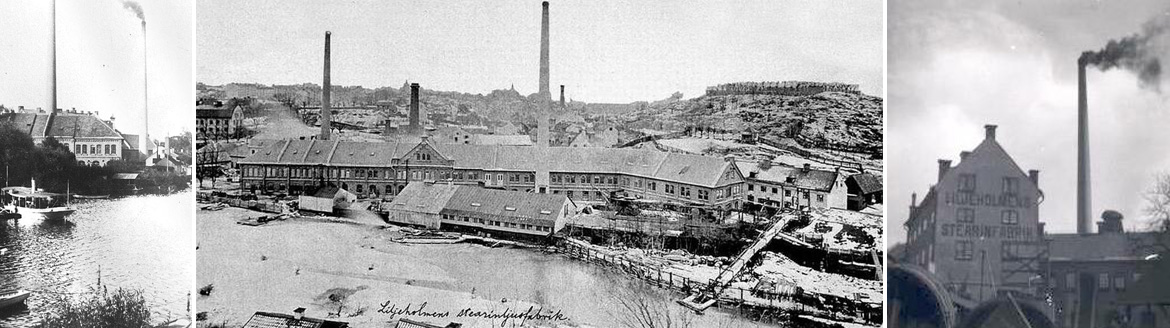
Over sixty-six years, Liljeholmens had developed into one of the world's leading candle factories, and in 1905, four million packages of Liljeholmens's candles were produced and sold, equivalent to approximately 1,685 tons. However, in the early 1900s, the use of gas and electricity developed, while kerosene lamps also improved. As a result, the use of candles as a source of light declined, although they continued to add atmosphere to Christmas dinner tables.
During the First World War, Liljeholmens began to produce lubricating oil, among other things. The oil was mainly sold to the Swedish Railways. The reason for the new venture was a continued dramatic decline in candle sales.
During the Second World War, the technical department was further expanded, and the company became known more as a leading chemical company than as a candle manufacturer.
CANDLE PRODUCTION TAKES OFF AGAIN
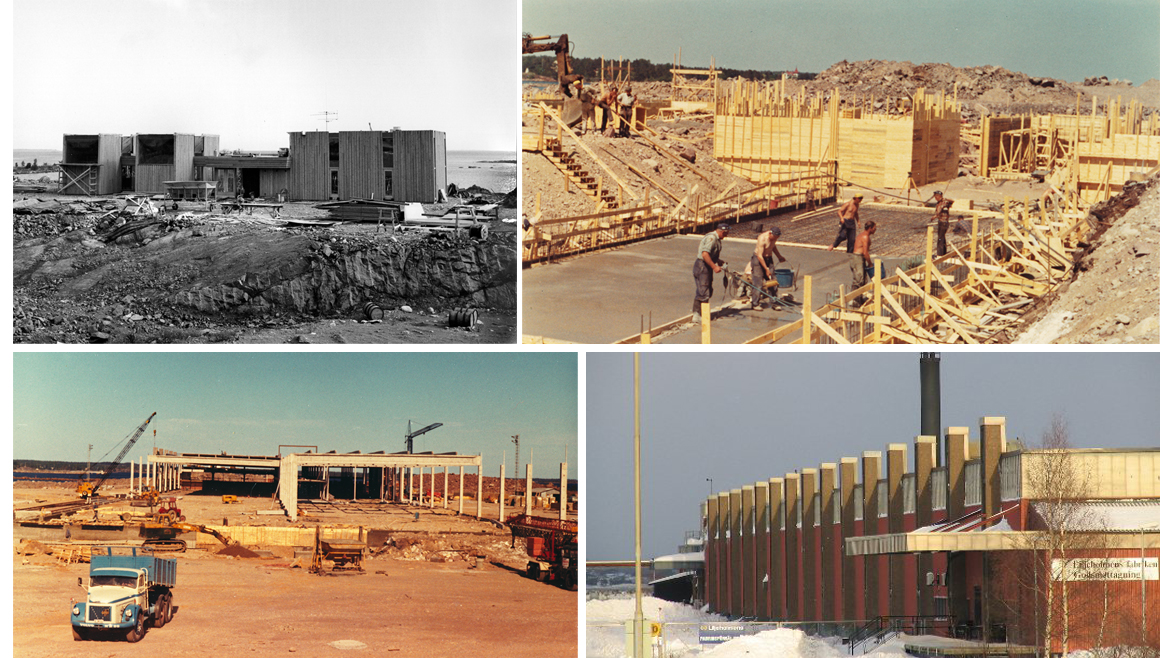
The 1960s saw a turnaround. Interest in candles at home and in public places increased again, candle production took off and Liljeholmens had to start looking for larger premises. The choice fell on Oskarshamn, in the southern part of Sweden, and the customized factory was inaugurated in 1970 - and here we continue to develop and manufacture candles from 100 percent stearin, proud of the journey that has brought us this far!